USTC-HKU Joint Research Seminar on
AI-empowered Scientific Imaging & Visual Computing 2026

Let there be light
6 August, 2026, 13:30 – 16:00
Room CBC, LG1/F, Chow Yei Ching Building, HKU Main Campus, Hong Kong SAR
Navigate HereSeminar Objectives
Encourage Innovative Spirit
Promote Excellence and Sustain Quality
Strive for Improvement
Connect Communities
Schedule
Guests
Prof. Xuejin Chen
University of Science and Technology of China (USTC)
Xuejin Chen is currently a full professor with the School of Information Science and Technology, University of Science and Technology of China. She received the B.S. and Ph.D. degrees from the University of Science and Technology of China. She conducted research as a postdoctoral scholar with the Department of Computer Science in Yale University. She also visited Stanford University and Microsoft Research Asia in 2017 and 2015 respectively. Her research interests include 3D modeling, geometry processing, and biomedical image analysis. She has authored or co-authored over 90 articles (including ACM TOG, IEEE TMM, ACM SIGGRAPH, ICCV, NeurIPS). She was one recipient of the Honorable Mention Awards of Computational Visual Media in 2019, GDC 2022, 3DMM 2024 and the first prize of XPRESS challenge in ISBI 2023. She also serves as Associate Editor of IEEE Trans TIP, and served as TPC members of Siggraph Asia and Area chair of ICCV, ECCV.
Prof. Lu Fang
Tsinghua University (THU)
Lu Fang is a Professor in the Department of Electronic Engineering at Tsinghua University. She received her Ph.D. in Electronic and Computer Engineering from the Hong Kong University of Science and Technology in 2011 and her B.E. in Electronic Engineering and Information Science from the University of Science and Technology of China in 2007, and held faculty positions at USTC and Tsinghua before her current appointment. Her research lies at the intersection of computational optics and computational imaging; she is a recipient of the 2025 Falling Walls Science Breakthrough Award, and her work was named among China's Top 10 Scientific Advances in 2024.
Prof. Ruizhen Hu
Shenzhen University (SZU)
Ruizhen Hu is a Distinguished Professor in the College of Computer Science and Software Engineering at Shenzhen University and Deputy Director of the Visual Computing Research Center (VCC). She received her Ph.D. from the Department of Mathematics at Zhejiang University, and spent two years as a visiting researcher at Simon Fraser University, Canada. Her research interests are in computer graphics, 3D shape analysis, and embodied AI.
Speakers
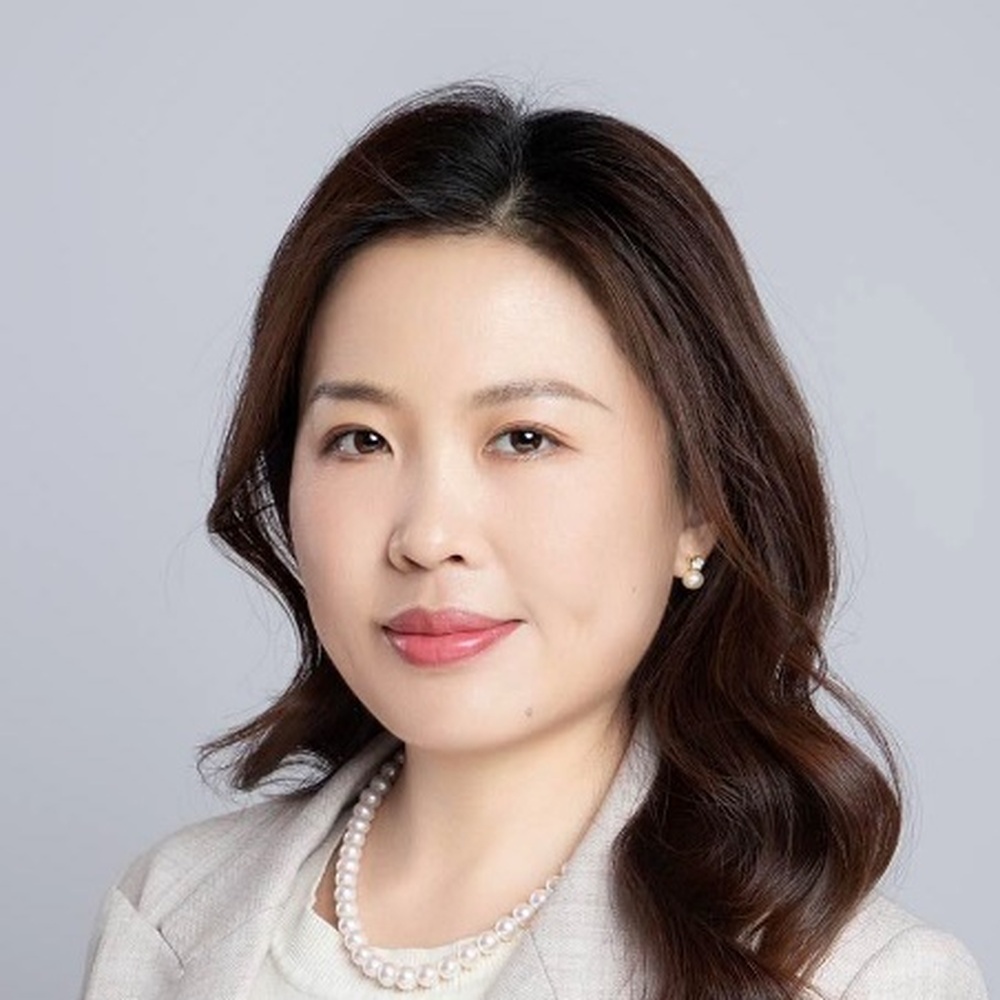
Xuejin Chen
University of Science and Technology of China (USTC)
Xuejin Chen is currently a full professor with the School of Information Science and Technology, University of Science and Technology of China. She received the B.S. and Ph.D. degrees from the University of Science and Technology of China. She conducted research as a postdoctoral scholar with the Department of Computer Science in Yale University. She also visited Stanford University and Microsoft Research Asia in 2017 and 2015 respectively. Her research interests include 3D modeling, geometry processing, and biomedical image analysis. She has authored or co-authored over 90 articles (including ACM TOG, IEEE TMM, ACM SIGGRAPH, ICCV, NeurIPS). She was one recipient of the Honorable Mention Awards of Computational Visual Media in 2019, GDC 2022, 3DMM 2024 and the first prize of XPRESS challenge in ISBI 2023. She also serves as Associate Editor of IEEE Trans TIP, and served as TPC members of Siggraph Asia and Area chair of ICCV, ECCV.
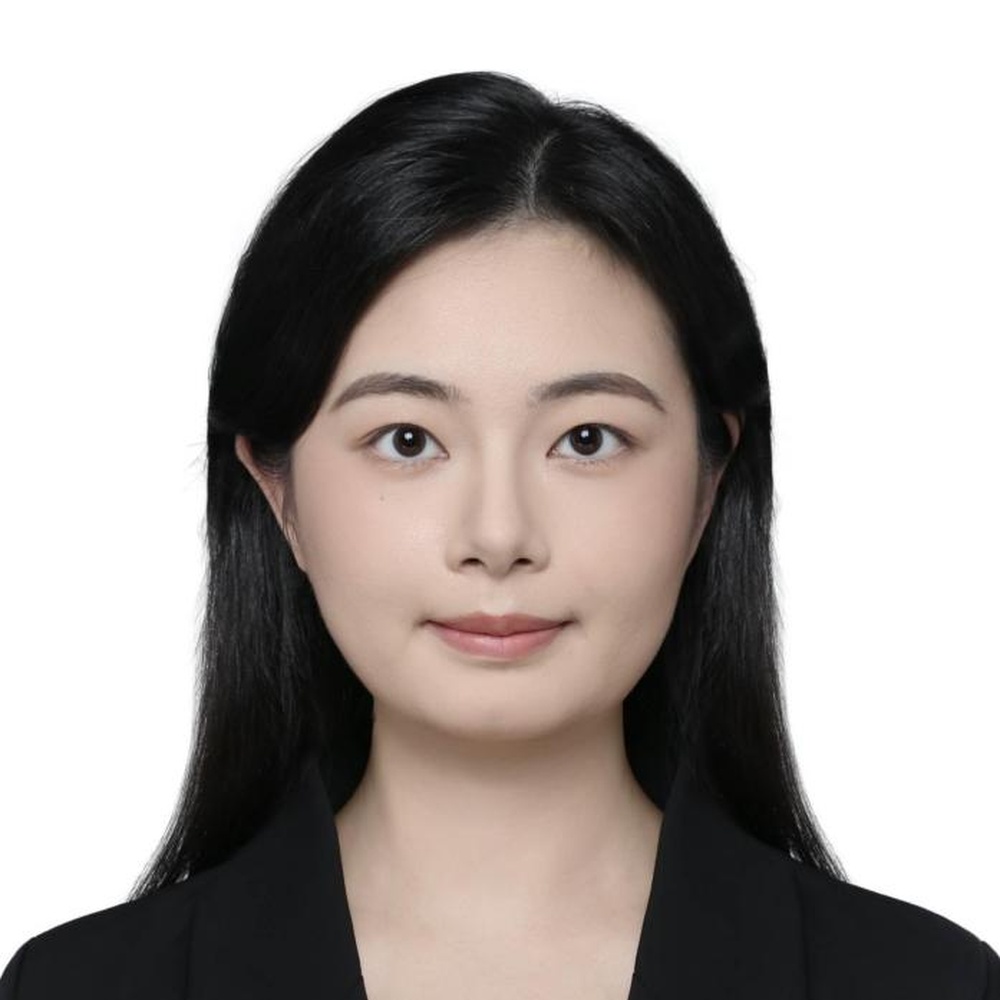
Yuxing Li
The University of Hong Kong (HKU)
Yuxing Li is a Postdoctoral Fellow in the Department of Electrical and Computer Engineering at The University of Hong Kong. She received her B.S. degree in Electronic Science and Technology from Shandong University in 2017 and her Ph.D. degree in Precision Medicine and Healthcare from Tsinghua University in 2022. She was a visiting researcher at the University of California, Berkeley, from 2018 to 2021. Her research interests include computational imaging, polarization holography, image science, and multimodal learning.
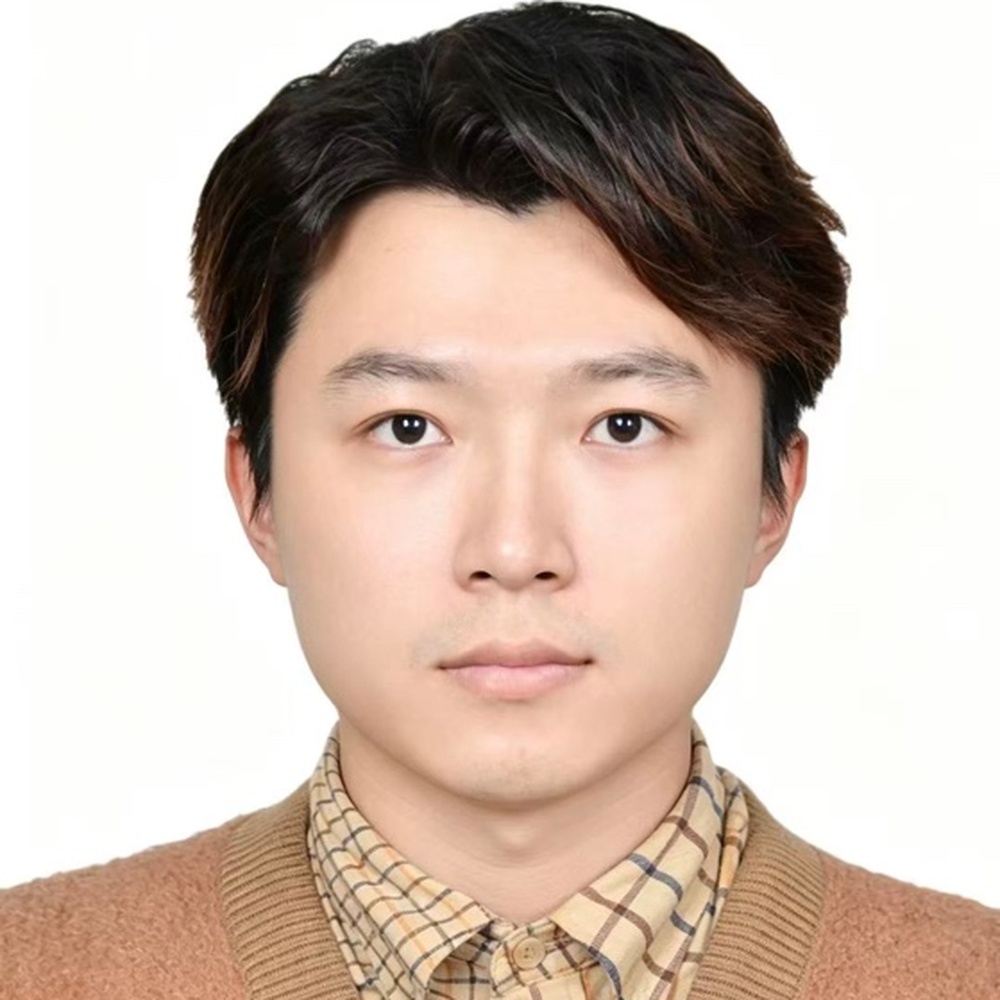
Jiehong Lin
The University of Hong Kong (HKU)
Jiehong Lin is a Postdoctoral Fellow in the Department of Electrical and Computer Engineering at The University of Hong Kong, working with Prof. Xiaojuan Qi. He obtained his Ph.D. in Electronic and Information Engineering from South China University of Technology. His research interests lie at the intersection of 3D vision, scene understanding, and embodied AI, with a focus on object pose estimation, spatial understanding, and vision-language-action models.
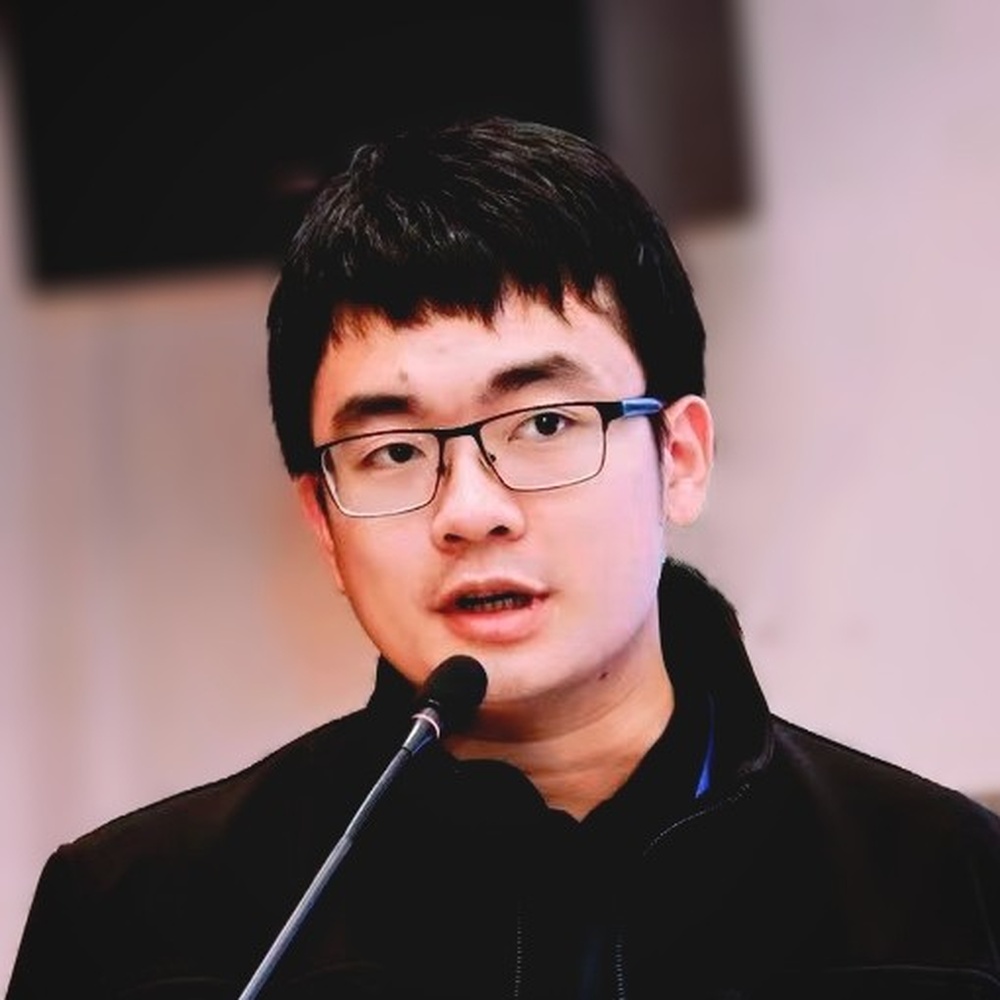
Xiaoyang Bai
The University of Hong Kong (HKU)
Dr. Xiaoyang Bai is a Postdoctoral Fellow in WeLight Lab at HKU. He received his Ph.D. in Computer Science at University of Illinois, Urbana-Champaign in 2024 and bachelor’s degree at University of California, Berkeley in 2018. His research interests include 3D vision, computer graphics and computational imaging, with a primary focus on differentiable rendering and 3D/4D reconstruction with unconventional visual modalities.
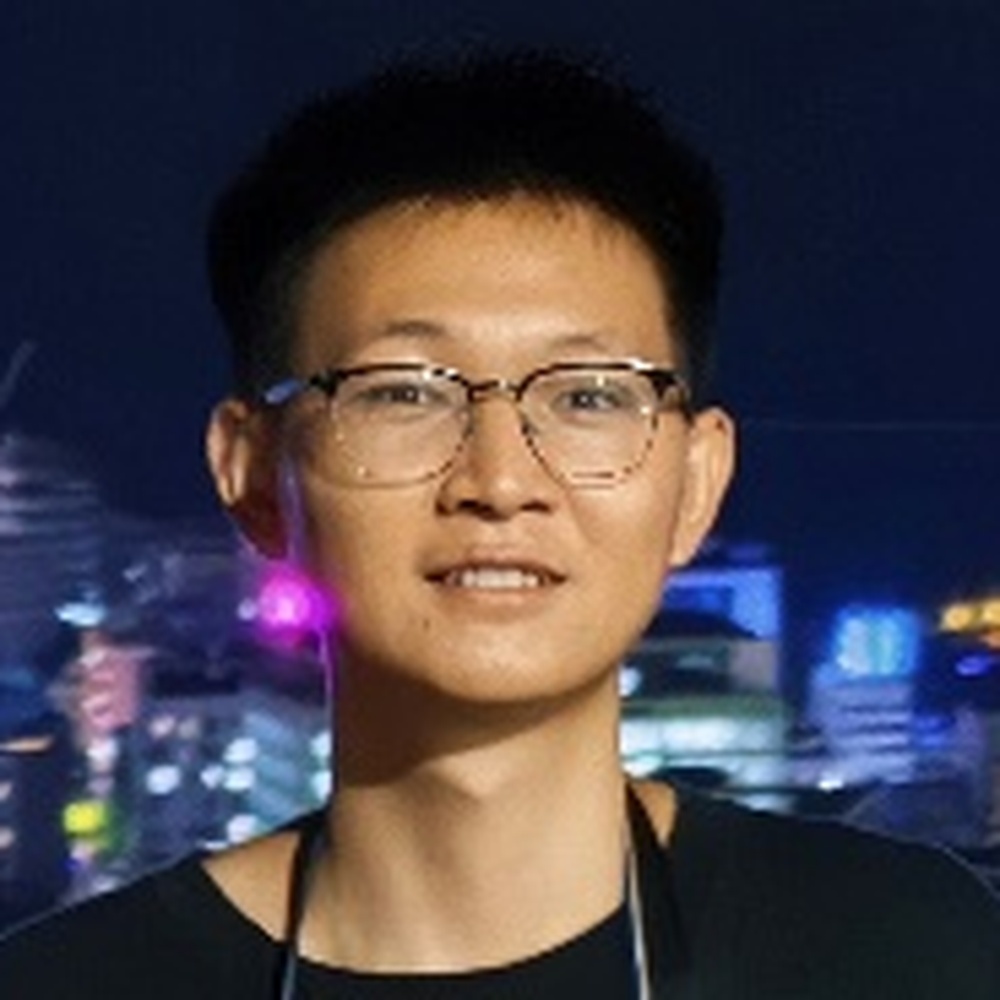
Weiren Zhao
The University of Hong Kong (HKU)
Weiren Zhao is a PhD researcher in the Department of Electrical and Computer Engineering (ECE) at The University of Hong Kong (HKU). He received his bachelor’s degree from the University of Electronic Science and Technology of China. His research focuses on Medical image analysis, Visual foundation models in medical imaging, and Medical World Model.
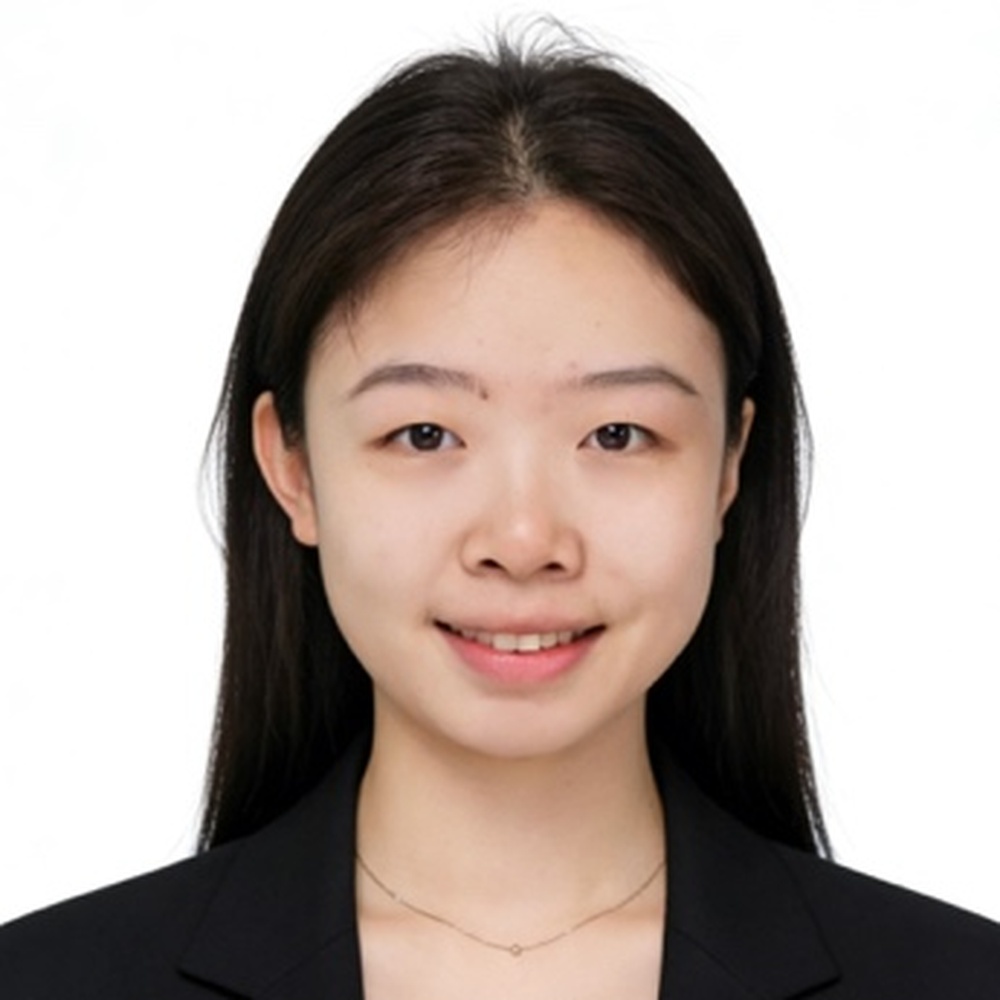
Yirui Zhang
University of Science and Technology of China (USTC)
Yirui Zhang is a master’s student in the School of Artificial Intelligence and Data Science at the University of Science and Technology of China (USTC). She received her bachelor’s degree from the same school at USTC. Her research focuses on biological image analysis, connectomics and 3D reconstruction.
Guowei Huang
University of Science and Technology of China (USTC)
Guowei Huang is currently pursuing a master’s degree in Information at the University of Science and Technology of China (USTC). He received his B.S. degree from the School of Information Science and Technology, University of Science and Technology of China. His research interests include semi-supervised learning and biomedical image segmentation.
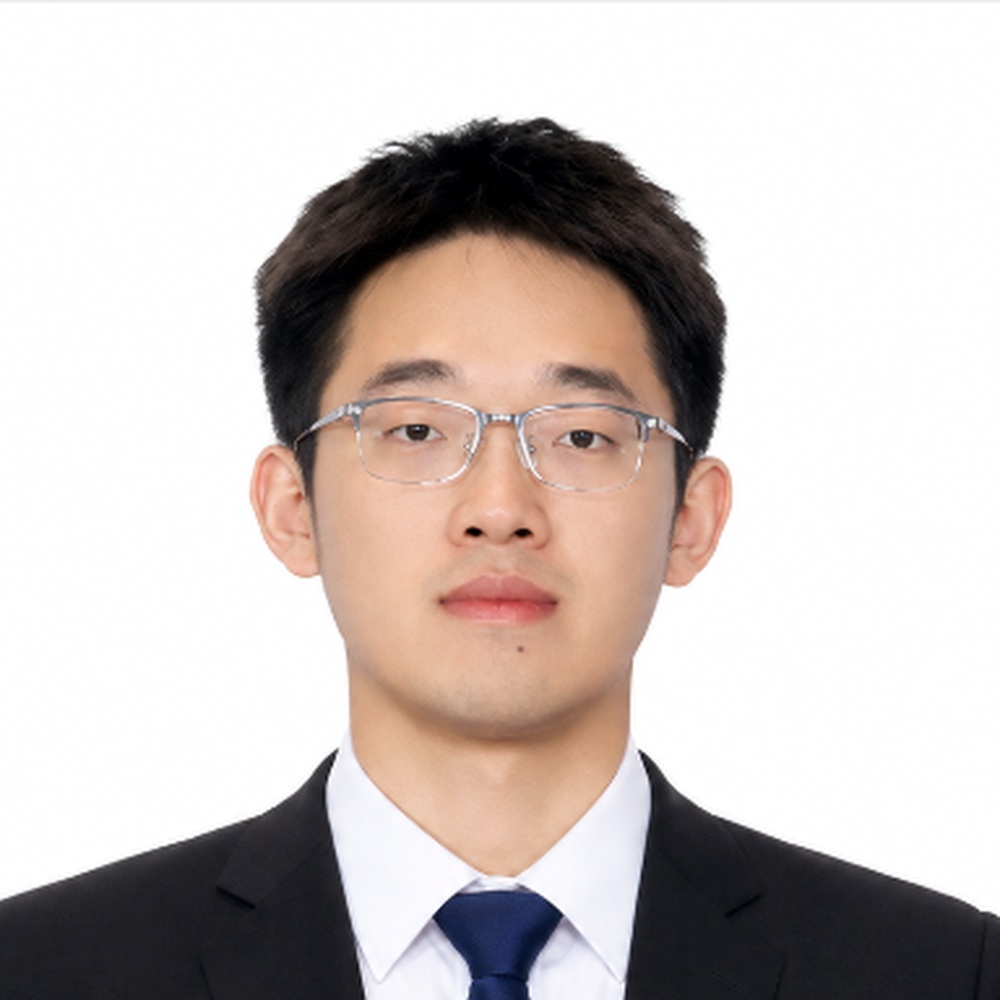
Yunjie Liao
University of Science and Technology of China (USTC)
Yunjie Liao is currently pursuing a master’s degree in Information at the University of Science and Technology of China (USTC). He received his B.S. degree from the School of Automation at Southeast University. His research interests include 3D vision, computer graphics, neuroscience, and electron microscopy connectomics, with a particular focus on automated neuron reconstruction and tracing from large-scale EM data.
Seminar Materials
Geometric Modeling and Morphological Analysis for Connectomics from Large-Scale Electron Microscopy Images - Xuejin Chen
High-precision reconstruction of neuronal connectivity maps at the synaptic level is a key way to understand how the brain works. With the development of serial electron microscopy imaging, large-scale connectomics research has entered the era of petabyte-scale data. However, even a small volume of brain has tens of thousands of densely distributed neurons with complex shapes, and individual neurons can span large areas, making it extremely challenging to fully reconstruct their 3D fine structures from large-scale EM images. In this talk, I will share our work and latest progress on fine 3D reconstruction of neurons and their morphological analysis in large-scale EM images.
Polarimetric-Hyperspectral Microscopy for Resolving Chemical and Structural Signatures - Yuxing Li
Accurate microscale material characterization requires simultaneous sensitivity to chemical composition and structural anisotropy. We present a polarimetric-hyperspectral microscopy framework that co-registers wavelength-resolved imaging with polarization measurements from the same field of view. Hyperspectral data provide chemical fingerprints, while Stokes-derived parameters, including the degree and angle of linear polarization, reveal orientation, birefringence, and microstructural organization. The system was evaluated using polyethylene terephthalate (PET) and polymethyl methacrylate (PMMA) films and nanoplastic fragments. Conventional hyperspectral imaging showed intra-class spectral variability caused by scattering, deformation, and orientation, which led to partial overlap between materials. Polarimetric descriptors captured structural differences that were not visible in spectral contrast alone. Joint analysis of the two modalities reduced morphology-induced spectral ambiguity and enabled clearer separation of PET and PMMA across both films and fragments. This physics-informed approach provides chemically specific and structurally sensitive characterization, offering an interpretable solution for microscale material identification beyond conventional hyperspectral imaging.
From 3D Scene Understanding to Closed-Loop Embodied Intelligence - Jiehong Lin
Understanding 3D scenes is a key prerequisite for embodied intelligence. In real-world environments, an embodied agent must ground its behavior in visual and spatial representations of objects, geometry, and their relationships. At the same time, long-horizon tasks require more than instantaneous perception: agents must maintain memory, anticipate future outcomes, and adapt online as the environment changes. In this talk, I will present recent work connecting scene understanding with closed-loop embodied intelligence across navigation, manipulation, and mobile manipulation. Specifically, I will discuss spatial memory for long-horizon navigation, predictive world models for manipulation, and planning with reflection for robust mobile manipulation. Overall, the talk highlights the importance of integrating memory, prediction, and closed-loop adaptation to enable robust embodied behavior in complex real-world environments.
Differentiable Rendering and 3D Reconstruction with Unconventional Visual Modalities - Xiaoyang Bai
Although 3D reconstruction methods based on RGB images have rapidly advanced and matured over recent years, it is still challenging to capture complete scene information and optimize for high-quality 3D/4D models with unimodal visual inputs under unusual environments. To this end, we set out to explore the application of unconventional visual modalities, represented by event streams and polarization images, on the tasks of high-speed dynamic scene reconstruction and reflective object reconstruction & relighting, respectively. For the former task, we have proposed ERF-GS, an event-RGB fused 4DGS methods targeting real-world scenarios, and EventTracer, a path tracing-based, efficient and differentiable event stream rendering framework. For the latter task, we have developed PhyGaP, a physically-grounded Gaussian Splatting pipeline that realizes realistic reconstruction, inverse rendering, and relighting of glossy objects.
SynerMedGen: Synergizing Medical Multimodal Understanding with Generation via Task Alignment - Weiren Zhao
Unifying multimodal understanding and generation is a compelling frontier that is beginning to emerge in the medical field. However, the limited existing unified medical models typically treat understanding and generation as disjoint objectives, lacking a meaningful functional synergy. In this work, we identify and address a critical question in unified medical modeling: what form of “understanding” truly benefits generation. We present SynerMedGen, a unified framework built on the proposed principle of generation-aligned understanding, which synergizes understanding objectives with generation tasks via task alignment. SynerMedGen introduces three generation-aligned understanding tasks and a two-stage training strategy that transfers generation-beneficial representations learned during understanding training to medical image synthesis. Remarkably, even with understanding training alone, our SynerMedGen achieves strong zero-shot performance across 22 medical image synthesis tasks and demonstrates robust generalization. When combined with generation training, SynerMedGen consistently outperforms state-of-the-art specialized medical image synthesis models as well as recent unified medical models. We also release SynerMed, a large-scale dataset of 1M paired synthesis samples and 2M understanding instances for studying understanding–generation synergy.
Geometry-Aware Learning for Dendrite–Spine Connectivity Reconstruction in Large-Scale Electron Microscopy Images - Yirui Zhang
Reconstructing neuronal connectivity at synaptic resolution is essential for understanding how the neural circuit function. Volume electron microscopy now enables connectomic analysis at unprecedented scale, but automated segmentation still struggles with fine neuronal structures. Dendritic spines—the primary sites of excitatory synaptic input—are particularly challenging: their thin necks and highly variable morphologies make them prone to fragmentation or disconnection from parent dendrites, leaving significant gaps in the reconstructed connectivity. In this talk, I will present a geometry-aware learning framework that combines EM image features with local surface geometry to identify spine fragments, and then applies graph neural networks to infer their connectivity to parent dendrites. I will conclude with experimental results on EM volumes from mouse cortex, examining how geometric and topological cues interact in resolving spine–dendrite associations and where current limitations remain for morphologically complex cases.
BacUNet: Deciphering Overlapping Microbial Communities via Curriculum Learning and Multi-Label Segmentation - Guowei Huang
Segmenting microbial communities from fluorescence microscopy images is challenging due to severe cell overlap, fluorescence crosstalk, annotation noise, and the scarcity of fully labelled mixed-species data. To overcome these obstacles, we introduce BacUNet, a multi-label deep learning framework that employs a strategic shift in training: it first learns fundamental features from single-species data, and then progressively adapts to complex, overlapping communities using synthetically generated mixed-species images, effectively simulating and solving the core challenges of this task. This strategy effectively decouples overlapping cells without requiring manual multi-label annotations. Evaluated on a 11-class bacterial dataset, BacUNet achieved robust performance, successfully correcting noisy labels and outperforming standard training approaches. Our framework offers a practical solution for high-throughput, accurate decoding of complex spatial microbial structures.
Neuron Reconstruction and Automated Tracing from Large-Scale EM Segmentation Data - Yunjie Liao
Large-scale electron microscopy (EM) datasets enable neural-circuit reconstruction at synaptic resolution, but recovering complete neurons remains challenging because automated segmentation often produces fragmented and over-segmented structures. This talk presents our research on neuron reconstruction and automated tracing from large-scale EM segmentation data, focusing on associating neuronal fragments and mapping multiple segment labels to complete neurons. We explore a multimodal approach to identifying downstream candidate fragments and estimating their connection probabilities by integrating image features with point cloud morphological features. The goal is to reduce manual proofreading and support scalable connectomic reconstruction and analysis.